Got a question? Get in touch.


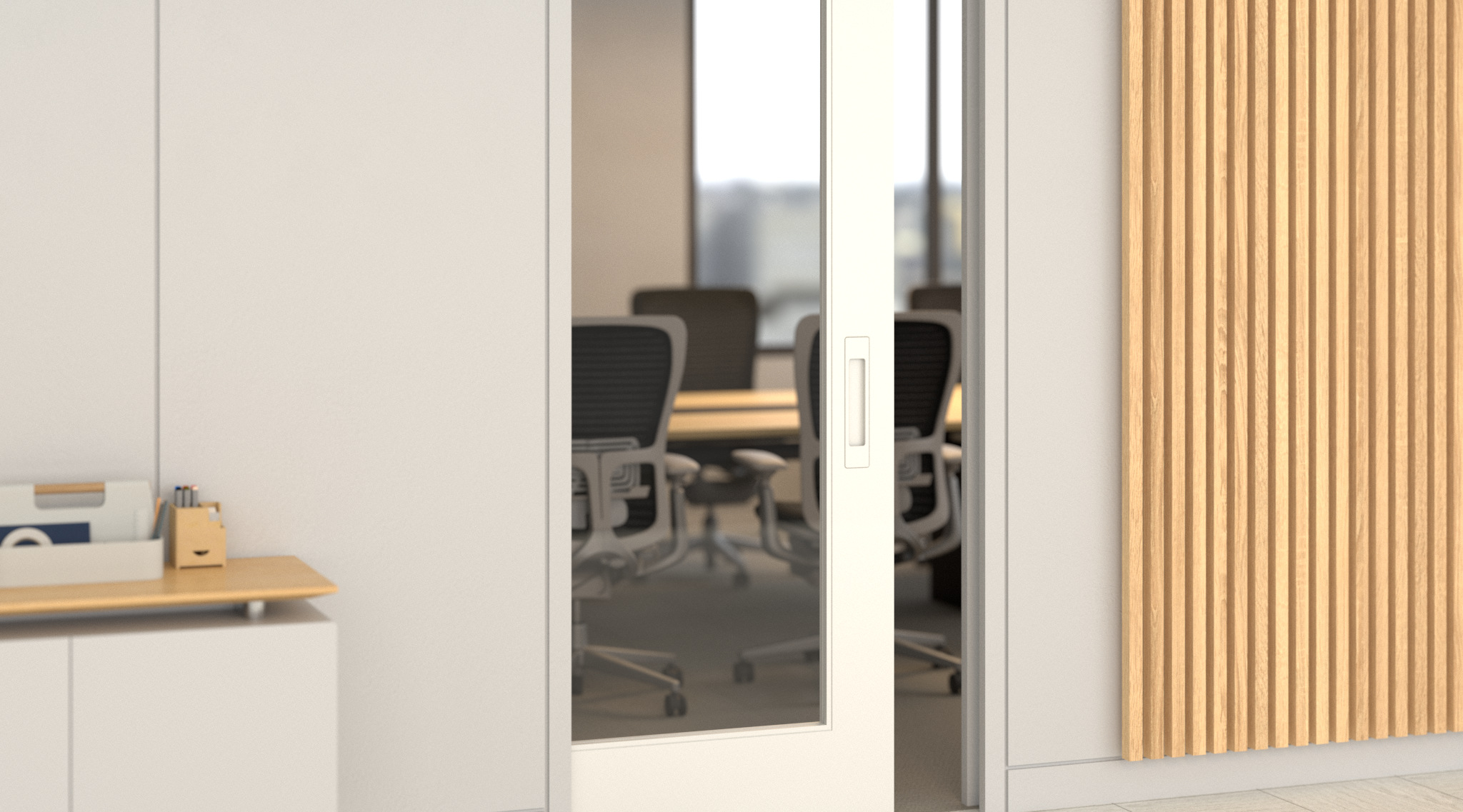
Shadow Gap Kits
PRICES FROM £584+VAT
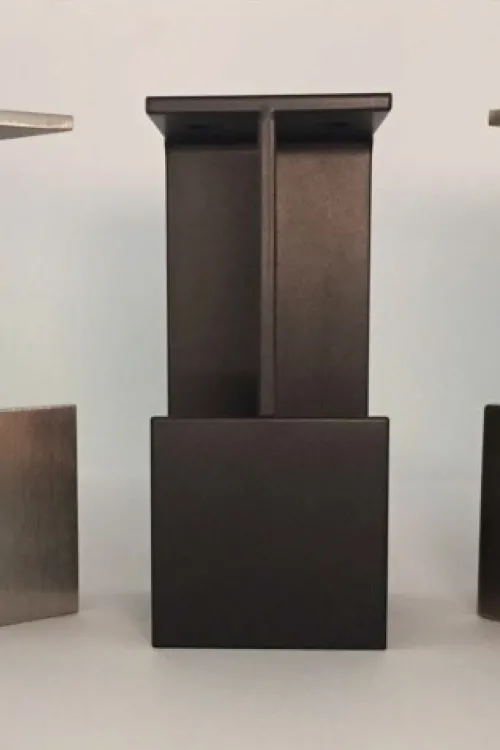
Portman P7001 Shadow Gap kits are timber lined but designed to be architrave free and create a 10mm wide shadow gap around the door. This can be linked to, for example flush or shadow gap skirting board to create a seamless contemporary aesthetic. Kits include top fixed door brackets and poplar door linings and result in in a 125mm finished wall thickness, kits include all the structural components for creating your pocket.
To choose, decide what is your constraining factor. Either the door leaf size OR the available wall aperture will decide what should be specified
Door leaf size, clear walk through and structural aperture dimensions are all provided.
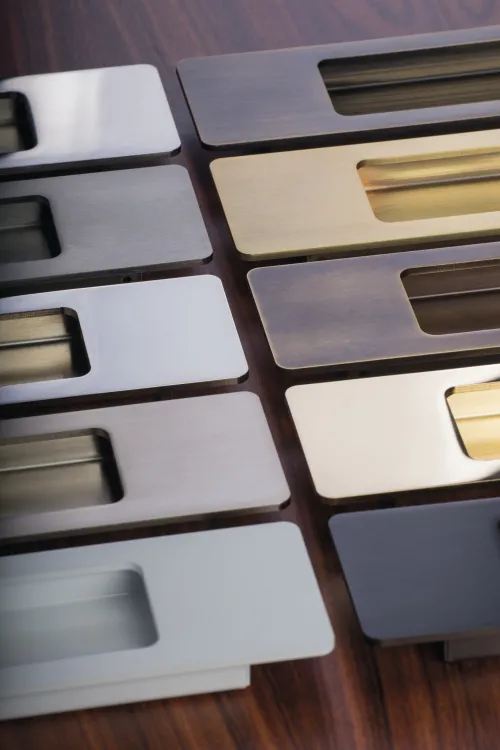
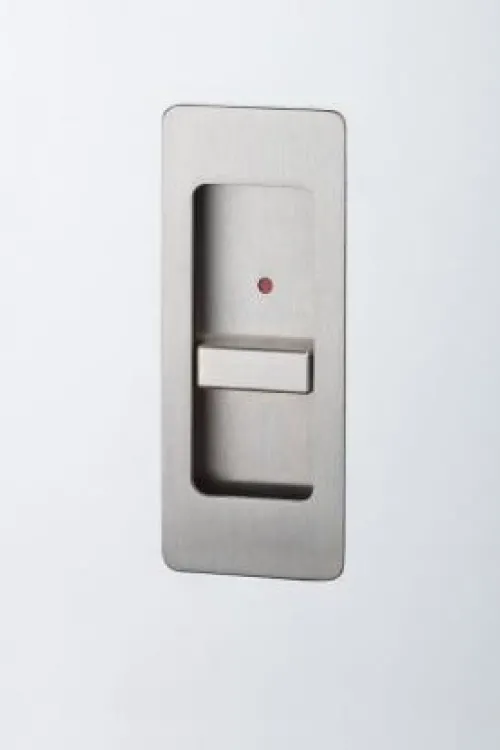
Self-closing/damper units and furniture as well as touch latches can be found in accessories. For doors over 2400mm high the use of the P5700 reinforcing kit is recommended. To see how easy Portman is to install, please see the Portman installation instructions.


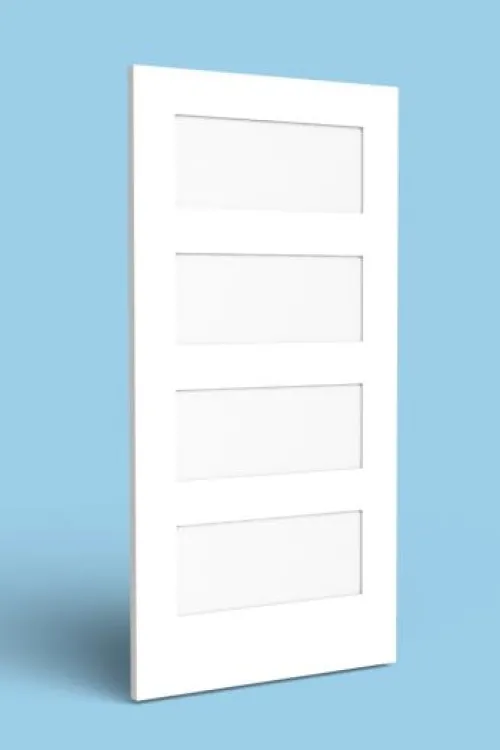
Technical information
Instructions
This video provides instructions on how to install our Shadow Gap kits. You can also download the fitting instructions as a PDF:
DIMENSIONS
The maximum door thickness is 44mm. If you need more information about dimensions, please consult our guide.
Single Door
- Wp = Door panel width
- Hp = Door panel height
- W = (2Wp)+66mm
- H = Hp+85mm
- Sp = Wp+31mm
- Op = Wp-23mm
- Oh = Hp-4mm
Double Door
- Wp = Door panel width
- Hp = Door panel height
- W = (4Wp)+94mm
- H = Hp+85mm
- Sp = Wp+31mm
- Op = (2Wp)-34mm
- Oh = Hp-4mm
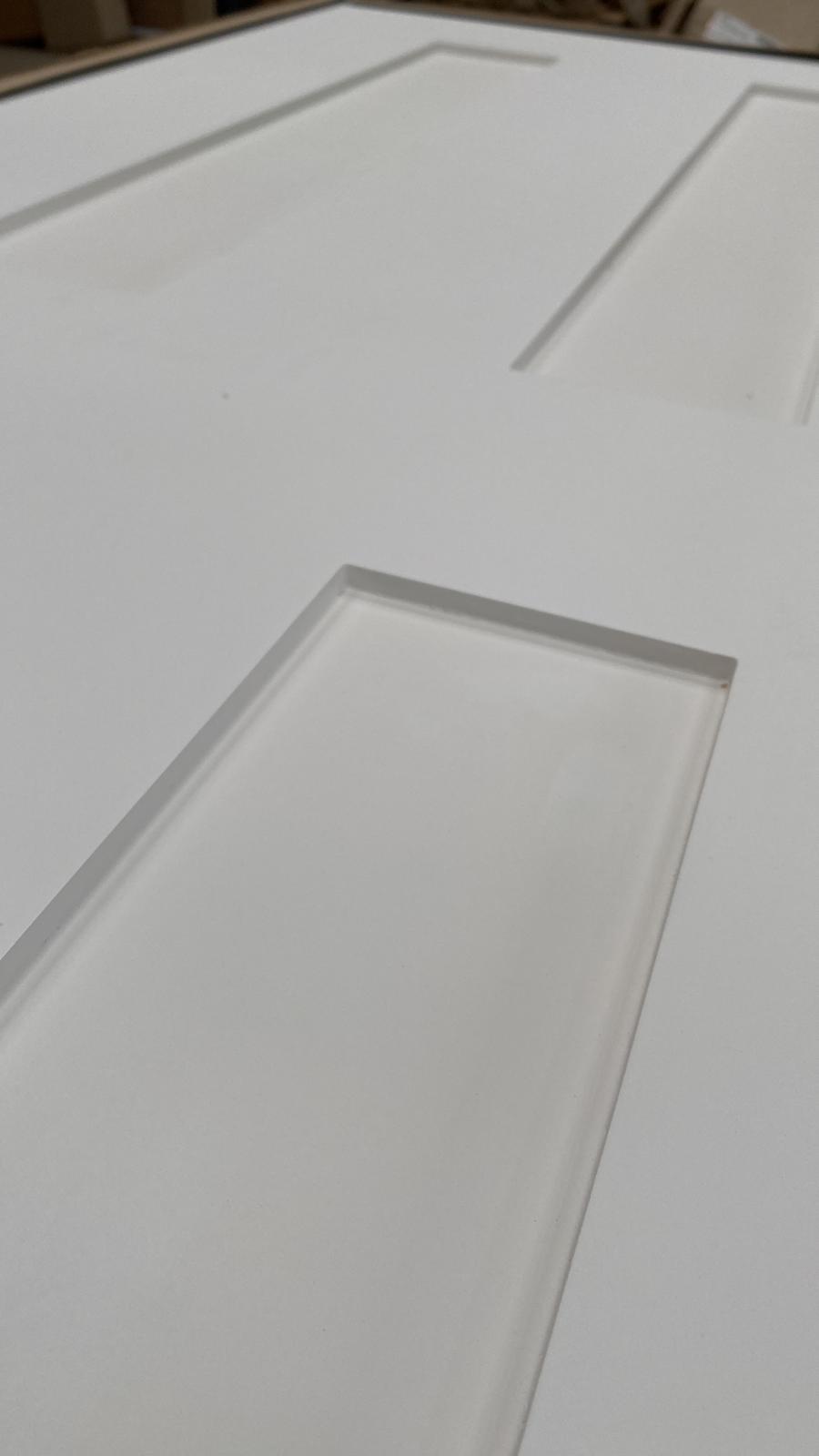
Shadow gaps are deliberate recesses used in architectural detailing to create clean, crisp transitions between surfaces such as walls, ceilings, floors, or joinery elements.
They enhance visual clarity by eliminating the need for visible trims or moldings, emphasizing the purity of form and material. Shadow gaps allow light to define edges subtly, giving depth and refinement to spaces. Common in modern minimalist architecture, shadow gaps contribute to a sense of precision, sophistication, and spatial continuity while highlighting the interplay between light, shadow, and structure.
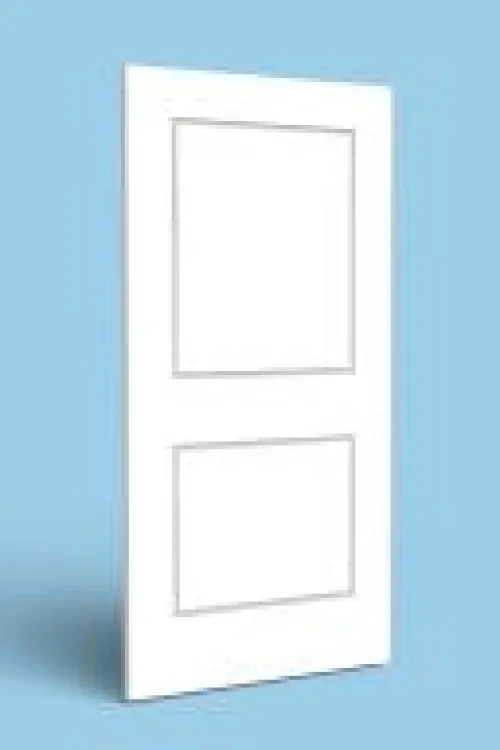
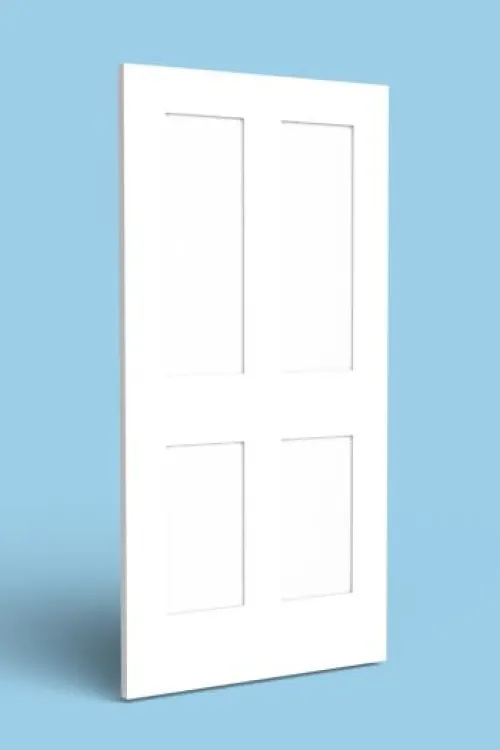
Mirroring a shadow gap detail on the door panel creates a sense of unity between the distinct building elements.