Got a question? Get in touch.


About pocket doors
One of the most obvious benefits of a pocket door is the way it reclaims floor space — a highly valuable commodity, especially in smaller homes, apartments or tight layouts.
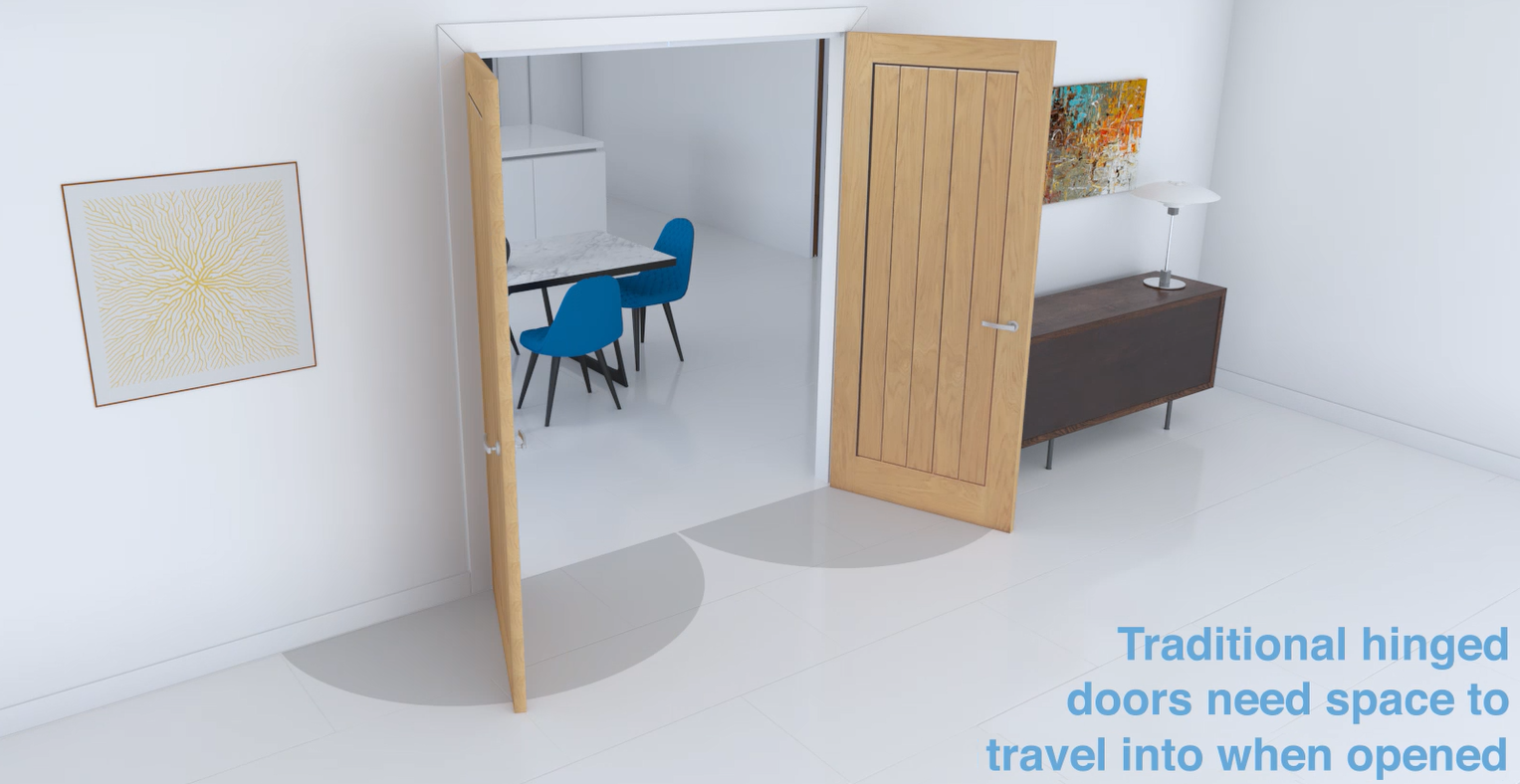
No swing radius required
Traditional hinged doors require a “swing zone” — that arc the door traces when opening and closing. That clearance zone eats into usable floor space and limits how you place furniture or how people move around. By contrast, a pocket door slides into a cavity within the wall, eliminating the swing radius altogether.
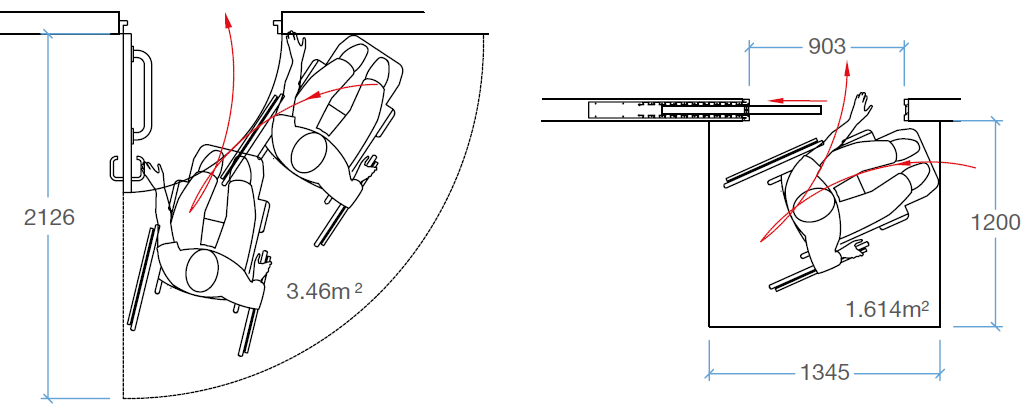
The Portman Pocket Door System reduces the typical swing door barriers presented to disabled people, thereby making buildings and dwellings more independently accessible or ‘inclusive’.
Flexibility in tight layouts
In narrow hallways, en suites, small bathrooms or compact rooms such as box-rooms or home offices, saving that swing space makes a noticeable difference. Being better able to optimise furniture layouts, storage and clear access areas.
Accessibility
An often-underappreciated benefit of pocket doors is how they improve accessibility and ease of movement—something increasingly important in inclusive design, multi-generation homes, and homes with mobility needs.
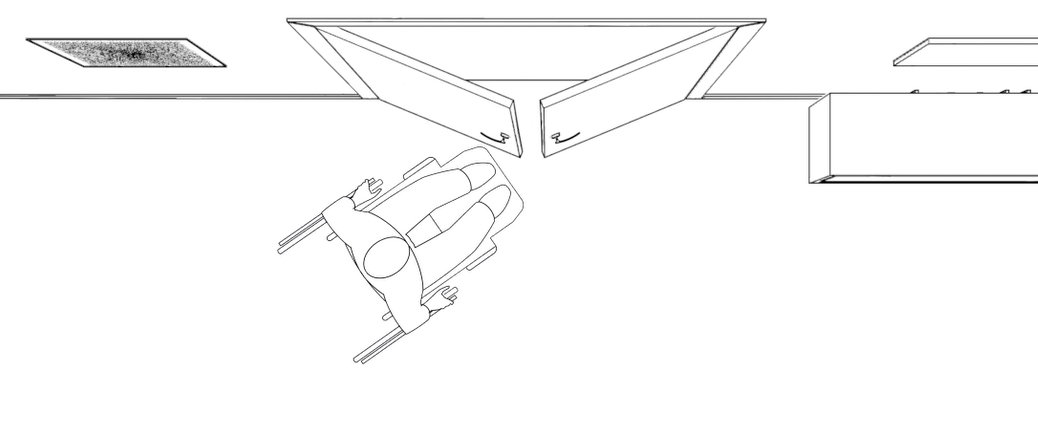
For most people, opening a manual door is a combination of gripping and depressing a lever handle, pulling/pushing whilst ‘side stepping’ the arc of the door and then moving forwards or backwards with the door.
To carry out this exercise is much harder if the user has, for example, poor grip, reduced muscle power and balance. Getting close enough to, or reaching for, the handle can be difficult. Harder again, if one has to move ones body or mobility aid out of the path of the door as one is trying to open it, and indeed hold it open whilst trying to pass through.
This is compounded, yet again if the hands are needed to hold a cane or crutches, move a wheelchair or frame. Other factors increasing the degree of difficulty include door closers, small lobbies, narrow corridors and small clear opening widths.
Wider clear openings
Because the door panel slides inside the wall rather than obstructing the opening, you can often have 100% clearance of the doorway width. That means wheelchairs, walkers or people carrying items have smoother passage. Traditional doors typically reduce usable passage width by a few inches because of door thickness and hardware; pocket doors remove that limitation.
Portman door width options give access to the full range of wheelchair users as defined by the BS 8300. The ‘wide’ option is especially good for 90° turns for larger wheelchairs, assistant pushed and battery power chairs – important because a minimum statutory corridor width is 1200mm in buildings (900mm in dwellings) and a wheelchair/scooter can be 1520mm to 1600mm long.
The ‘standard’ 626–926 width option can also be useful for ambulant disabled people with limited reach due to the comparatively small movement required to operate the door.
Beyond practical space-saving, pocket doors have aesthetic benefits that can elevate the feel and design quality of a home.
Clean, uninterrupted sight-lines
Because the door panel slides inside the wall rather than obstructing the opening, you can often have 100% clearance of the doorway width. That means wheelchairs, walkers or people carrying items have smoother passage. Traditional doors typically reduce usable passage width by a few inches because of door thickness and hardware; pocket doors remove that limitation.
Portman door width options give access to the full range of wheelchair users as defined by the BS 8300. The ‘wide’ option is especially good for 90° turns for larger wheelchairs, assistant pushed and battery power chairs – important because a minimum statutory corridor width is 1200mm in buildings (900mm in dwellings) and a wheelchair/scooter can be 1520mm to 1600mm long.
The ‘standard’ 626–926 width option can also be useful for ambulant disabled people with limited reach due to the comparatively small movement required to operate the door.
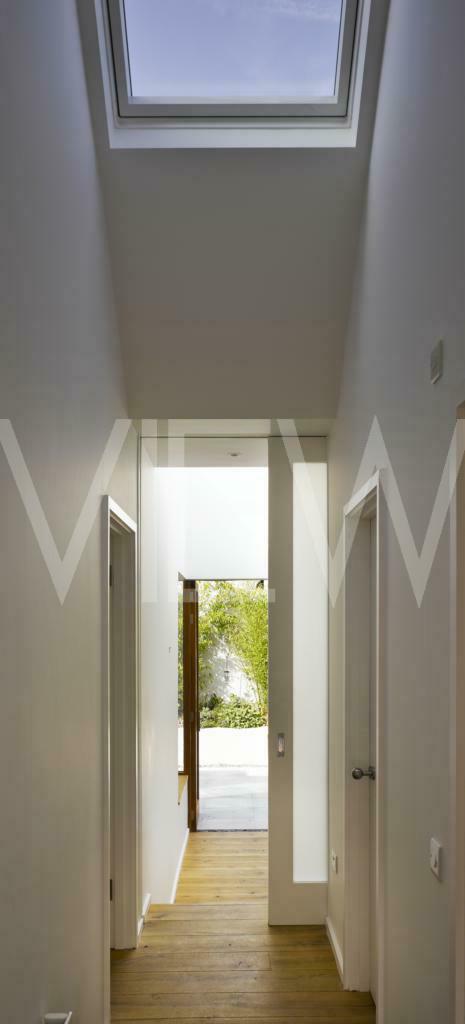
Beyond practical space-saving, pocket doors have aesthetic benefits that can elevate the feel and design quality of a home.
Match design and style
Pocket doors are available in a variety of materials, finishes and styles—from contemporary glass panels to warm wood, from sleek metal hardware to minimalist hidden frames. This allows them to integrate seamlessly or even serve as a feature element in interior design.
Create flexible, elegant spaces
In open-plan designs, pocket doors can act as subtle dividers: gaining the openness when the door is retracted, and privacy when the door is closed without sacrificing wall space or visual flow.
Perceived spaciousness
Because pocket doors free up usable area and reduce visual clutter, rooms often feel bigger. The absence of door arcs, the continuity of wall surfaces, and the more open layout contribute to a sense of expansiveness.